Why Ageing Bodies Lose Balance

Proper Body Alignment and Posture in Older Adults

Why Ageing Bodies Lose Balance

Many people assume that losing balance is a normal and unavoidable part of getting older. They begin to feel less stable when walking, slower in movement, or unsure during simple activities like turning, climbing stairs, or standing on one leg.

Over time, this often leads to reduced activity, fear of falling, and a gradual loss of independence. While aging does bring natural changes, balance does not decline simply because of age.

Balance declines when the body loses its ability to organise itself, control movement, and manage load efficiently under gravity. Understanding this difference is essential if we want to maintain an active and independent life. For additional insights, you can explore this guide on improving balance.

Proper Body Alignment and Posture in Older Adults

1. The Difference Between Ageing and DeclineAgeing refers to the passage of time.

Decline refers to the loss of function.

These are not the same.

Two individuals of the same age can have completely different levels of strength, mobility, and balance depending on how their body has adapted over time.

While certain physiological changes are inevitable, the rate and extent of decline are influenced by factors such as:

  • movement habits
  • muscle strength
  • coordination
  • posture
  • overall activity levels

This is where the concept of healthspan becomes important.

Lifespan refers to how long you live.

Healthspan refers to how well your body functions during those years.

Balance is a key component of healthspan.
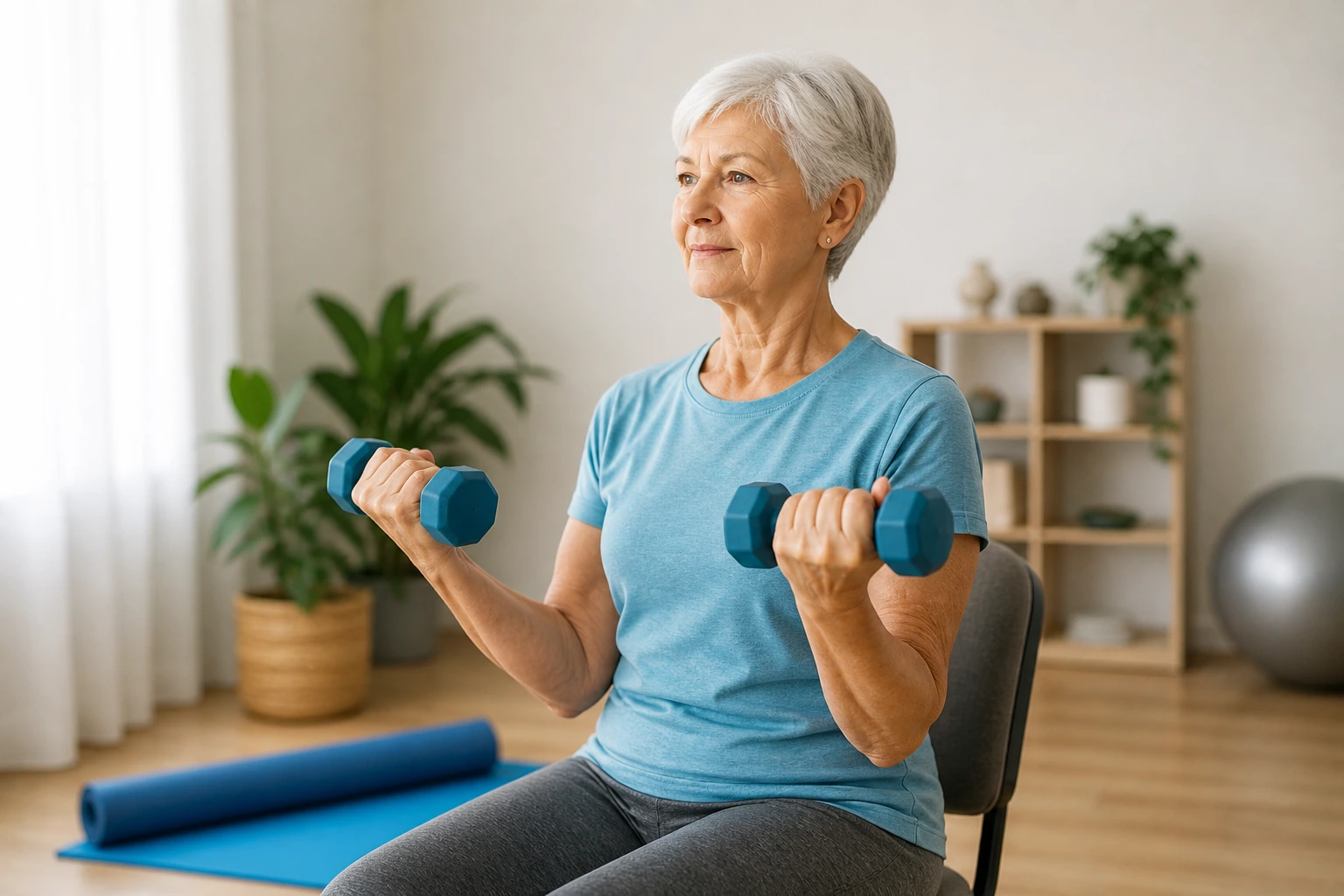
Senior Woman Doing Light Strength Training at Home

2. The Role of Posture in Balance

Posture is not just about standing straight.

It reflects how the body is organised against gravity and how different segments of the body align with each other during movement.

The spine plays a central role in this system.

As posture changes over time, the body often shifts toward a more flexed position:

  • forward head
  • rounded shoulders
  • reduced spinal extension
  • altered pelvic alignment

These changes affect how weight is distributed through the body.

When posture is well organised:

  • weight is distributed evenly
  • joints remain stable under load
  • muscles work efficiently

When posture is not organised:

  • load shifts unevenly
  • certain joints become overloaded
  • the body relies more on compensation

This reduces the body’s ability to maintain balance, especially during dynamic movement.

3. How Muscle Loss Affects Stability

One of the most significant changes with ageing is loss of muscle mass, also known as sarcopenia.

Muscles are not only responsible for movement. They also play a critical role in:

  • stabilising joints
  • controlling motion
  • responding to changes in balance

As muscle strength declines:

  • joint stability reduces
  • reaction time slows
  • control during movement becomes less precise

This makes it harder for the body to adjust quickly when balance is challenged.

For example, a small shift in weight or a slight trip requires coordinated muscle response to prevent a fall. Without sufficient strength and control, this response becomes delayed or ineffective.

4. Gravity and Structural Control

The human body is constantly working against gravity.

Every time you stand, walk, or move, your body must organise itself to resist collapsing into a flexed position.

In early life, the body develops strength and coordination to move from a flexed position (as in infancy) to an upright, stable structure.

As we age, the opposite trend can occur.

Without consistent movement and strength, gravity gradually pulls the body back toward:

  • flexion
  • reduced extension
  • decreased structural support

This affects not only posture but also:

  • breathing efficiency
  • joint mechanics
  • overall movement quality

Balance depends on the body’s ability to maintain structural integrity under gravitational load.

When this ability declines, instability increases.
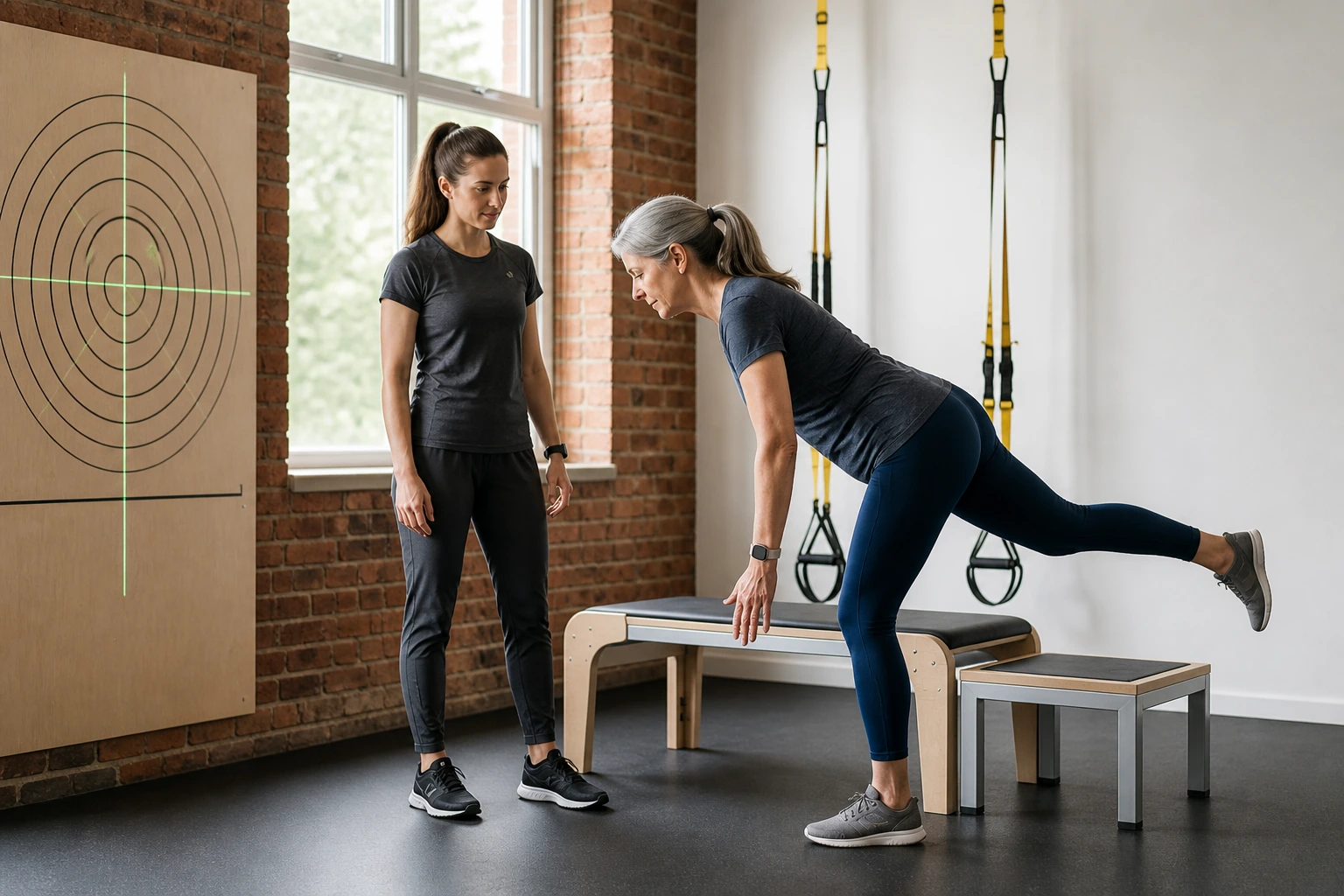
Supervised Balance Training for Older Adults

5. How to Maintain Balance Through Movement

The decline in balance is not solely a result of ageing. It is largely influenced by how well the body maintains its structure and movement capacity.

Maintaining balance requires a combination of:

  • strength training to support joints
  • coordination exercises to improve control
  • mobility work to maintain joint range
  • postural awareness to optimise alignment

Most importantly, movement should be structured and progressive.

Random exercise or high-intensity activity without proper preparation can increase the risk of injury rather than improve stability.

A structured approach begins with understanding how the body is currently functioning.

This includes assessing:

  • posture and alignment
  • movement patterns
  • strength and control
  • areas of compensation

From there, training can be designed to restore balance in the system before increasing load or complexity. Structured approaches such as Foundation Sessions focus on building strength, alignment, and control progressively.

At Abbysan, this process begins with a movement and posture assessment, followed by a structured progression that improves strength, coordination, and alignment together. For individuals experiencing instability or discomfort, targeted solutions such as Alignment Reset Sessions can help address the root causes effectively.

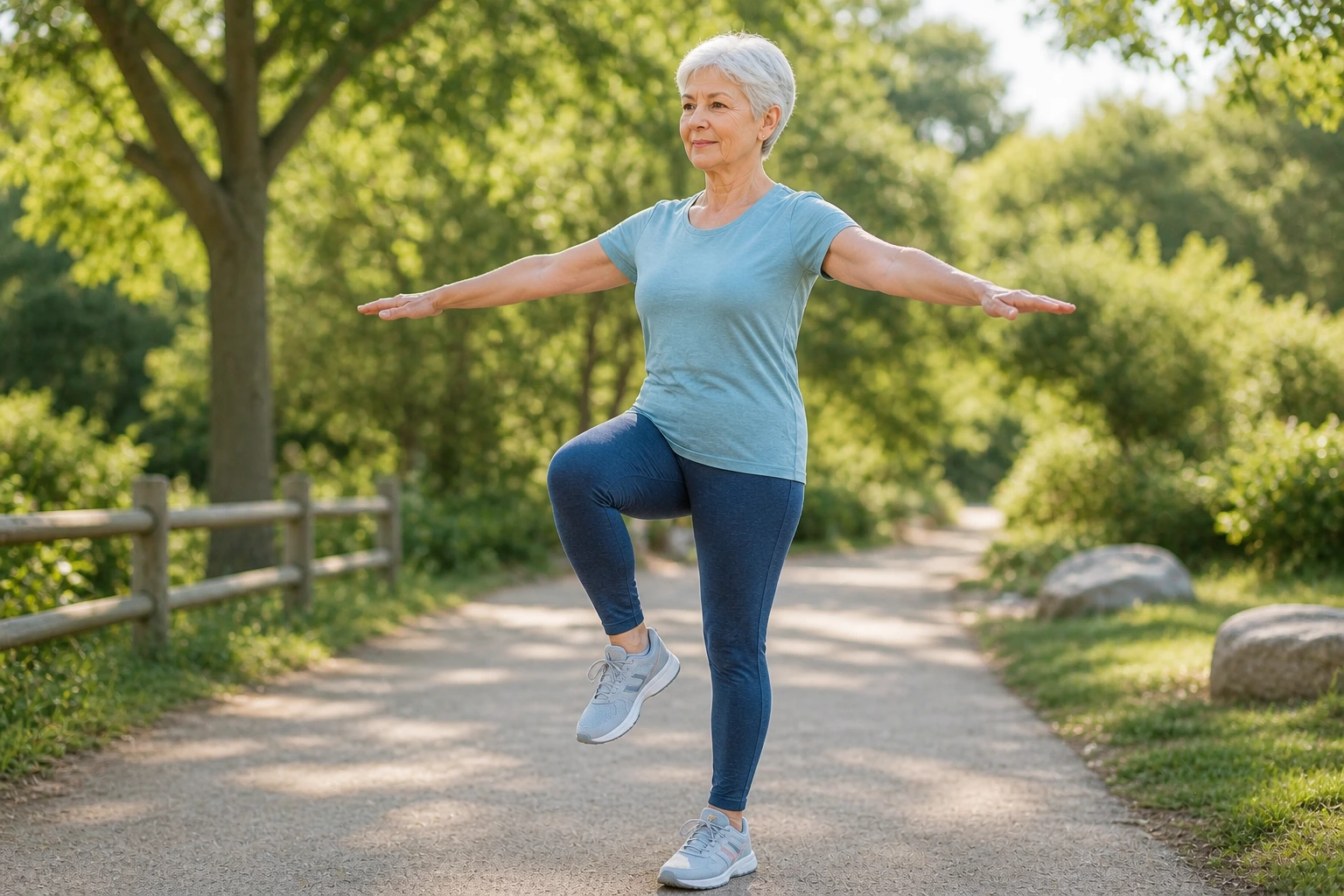
Senior Woman Practicing Balance While Walking Outdoors

Final Thoughts

Balance is not something we simply lose with age.

It declines when the body loses its ability to organise movement, maintain alignment, and control load under gravity.

While ageing is inevitable, decline is not entirely fixed.

By focusing on posture, strength, and coordinated movement, it is possible to maintain stability, reduce the risk of falls, and continue living an active and independent life.

In many cases, the goal is not to do more exercise, but to ensure the body is prepared to handle movement safely and efficiently.

Why Posture Matters More Than Stretching

Proper Posture vs Poor Posture Alignment Comparison

Why Posture Matters More Than Stretching

Flexibility is not just about muscle length. It depends on how the body is organised, aligned, and controlled during movement. This is where posture becomes essential, and understanding posture helps explain why stretching alone often fails to create lasting results.

For a deeper understanding of posture and alignment, you can also explore this guide on posture and body alignment.

Proper Posture vs Poor Posture Alignment Comparison

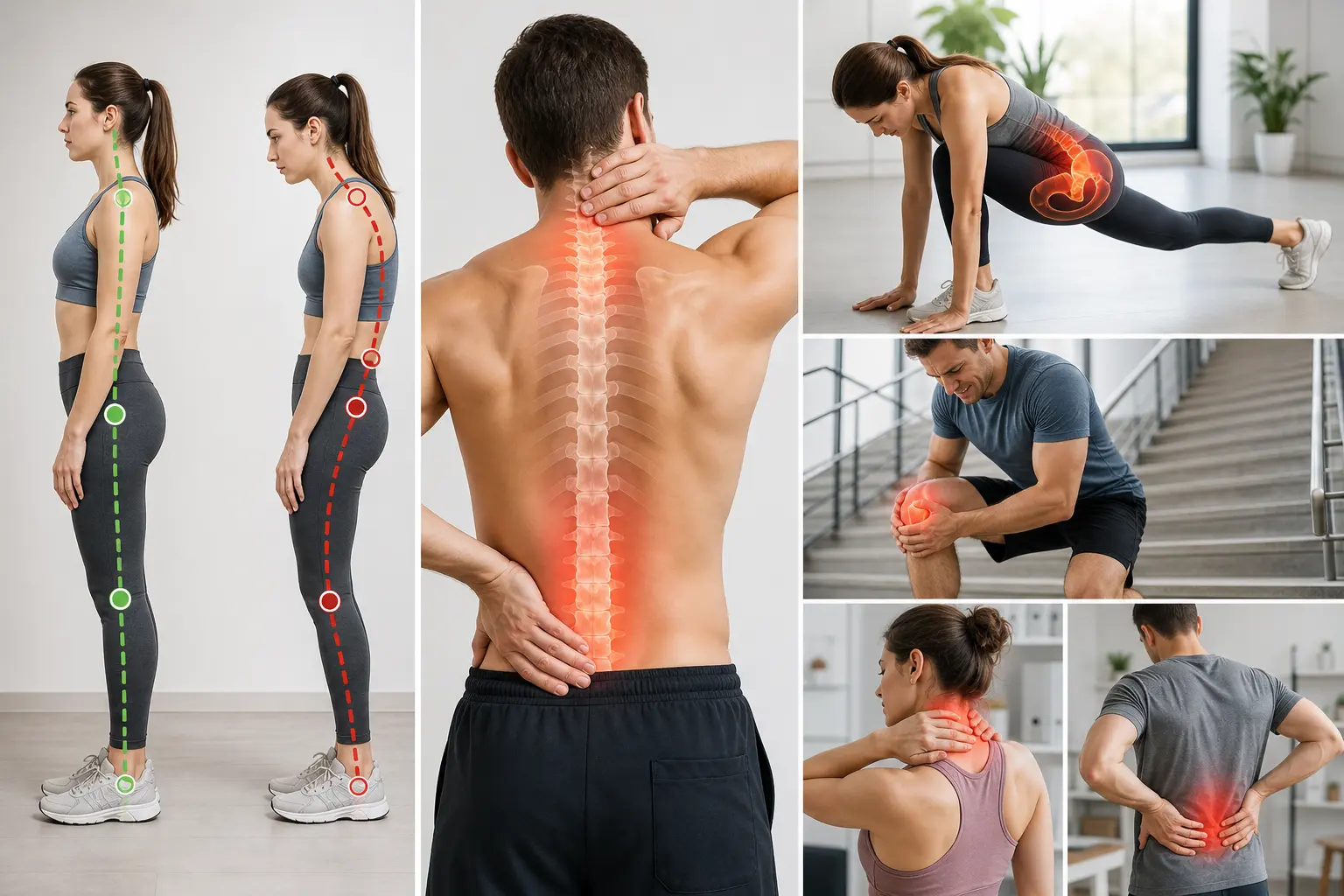
1. What Posture Actually Represents

Posture is often misunderstood as simply “standing straight” or “sitting upright.”

In reality, posture reflects two key things:

  • How the body is organised against gravity and load
  • How each segment of the body aligns in relation to the others

Posture is not static. It is a dynamic system that determines how forces are distributed through the body during movement.

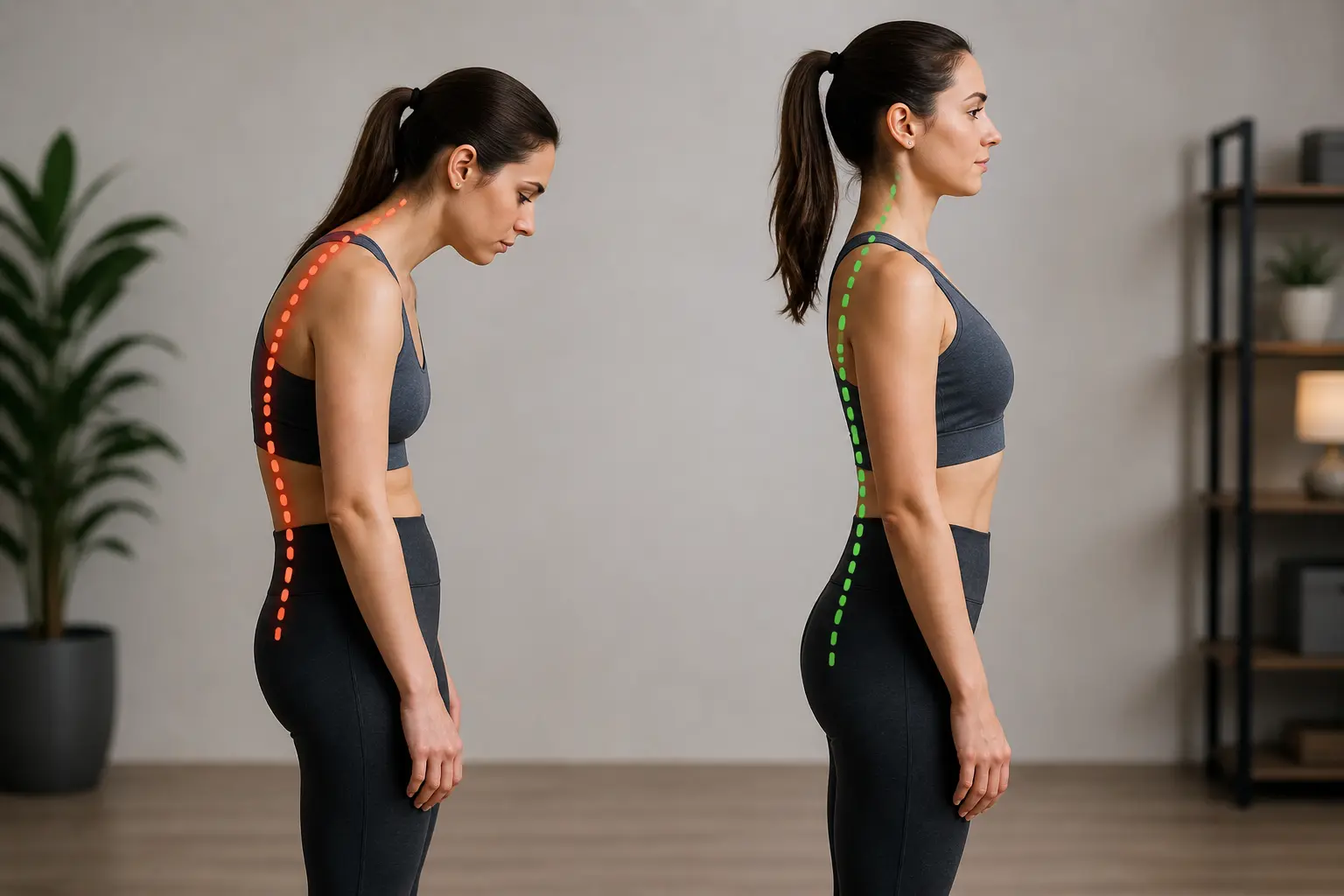
When posture is well organised joints are aligned efficiently, muscles share load appropriately and movement feels stable and controlled.

When posture is not organised well certain joints take more stress than they should, some muscles become overactive and others become weak or inhibited.

This imbalance directly affects how the body moves and responds to exercise.

Slouched vs Upright Posture Example

2. The Spine as the Central Structure

At the centre of posture is the spine.

The spine acts as the primary structure that connects and coordinates the upper and lower body. Changes in spinal alignment influence everything above and below it.

Common structural variations include:

  • Kyphosis (excessive rounding of the upper back)
  • Flat back (reduced natural spinal curves)
  • Scoliosis (side-to-side curvature of the spine)

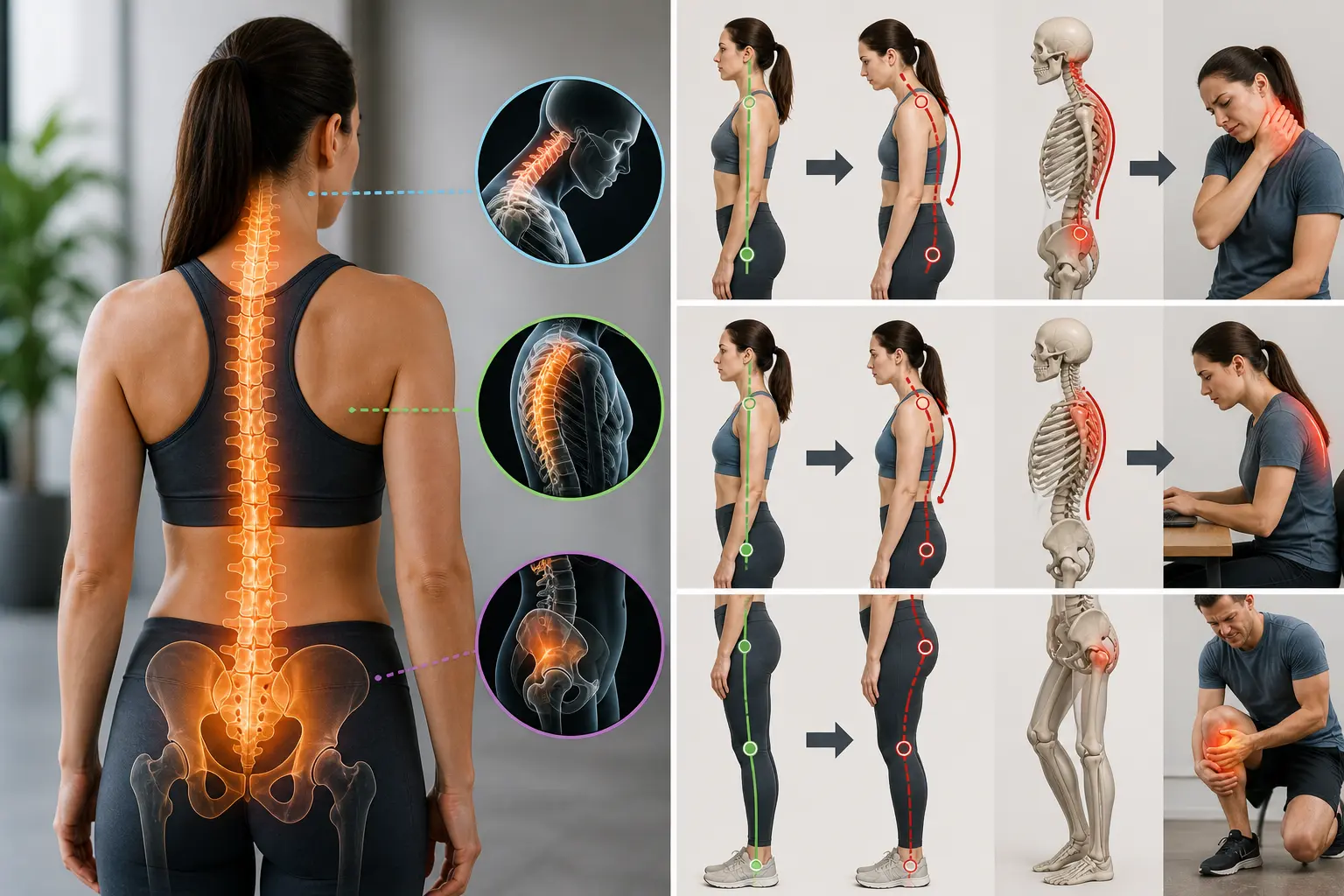
When these patterns are present, they alter the alignment of the head and shoulders above and the pelvis, hips, knees, and ankles below, which creates a chain reaction throughout the body.

For example, a rounded upper back may lead to forward head posture and shoulder imbalance. A change in pelvic position may affect how the hips and knees absorb load.

The spine does not work in isolation. It organises the entire system.

Body Alignment Differences in Posture

3. How Compensations Develop

The body is designed to adapt.

When one area is not functioning efficiently, other parts of the body compensate to keep movement possible.

For example:

  • limited hip mobility may increase movement in the lower back
  • weak glute muscles may shift load to the knees
  • poor shoulder control may overload the neck

These compensations allow movement to continue, but they change how forces are distributed.

Over time, this leads to muscle imbalance (some muscles overactive, others weak), altered joint mechanics and increased stress on specific tissues.

As these patterns repeat, the body may adopt a protective position, reducing movement in certain areas to avoid discomfort or instability.

This protective response often feels like stiffness or tightness.

4. Why Stretching Without Assessment Fails

When stiffness appears, the natural response is to stretch.

However, if stiffness is the result of poor alignment or compensation, stretching alone does not address the root cause.

In some cases, it can make the problem worse.

For example:

  • If someone has a kyphotic, rounded upper back, exercises like push-ups or swimming which are generally beneficial can reinforce that pattern if introduced without improving spinal alignment first.
  • Similarly, stretching muscles that are already lengthened but weak may reduce stability further.

Without understanding posture and alignment:

  • stretching may target the wrong muscles
  • strengthening may reinforce faulty patterns
  • exercise may increase joint stress rather than reduce it

It’s the reason why many people feel temporary relief from exercises but do not see lasting improvement.

The issue is not the exercise itself.

It is applying the right exercise to the wrong structure, which is why structured approaches like Alignment Reset Sessions are designed to address underlying posture and movement issues.

5. The Importance of Posture-Based Training

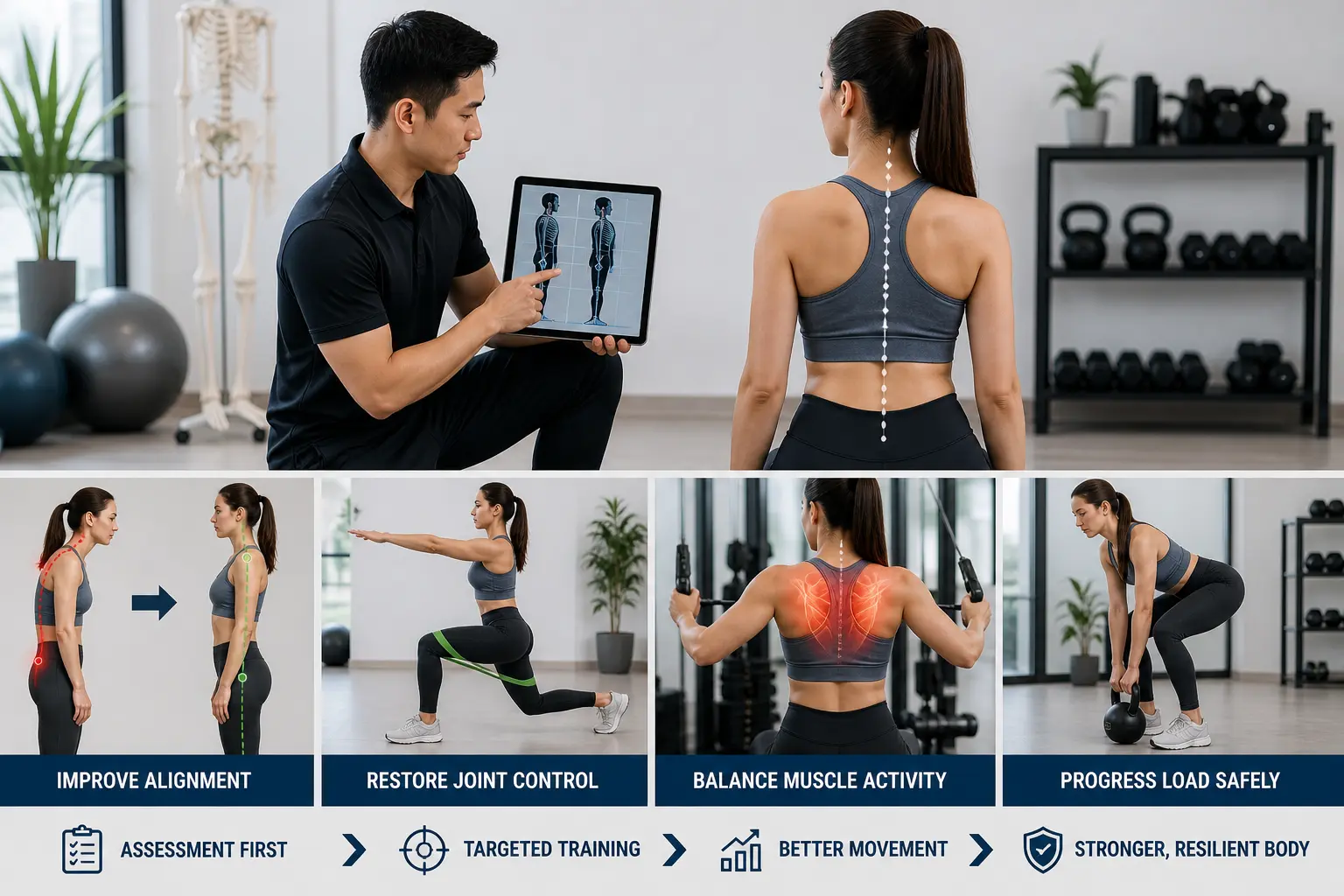
Effective training begins with understanding how the body is organised.

A structured posture and movement assessment helps identify alignment patterns, joint limitations, muscle imbalances and compensation strategies.

Once these are understood, exercise can be applied in a way that restores balance and improves control.

Posture-based training focuses on improving alignment, restoring joint control, balancing muscle activity and introducing load progressively.

This approach allows the body to move more efficiently, reduce unnecessary stress on joints and build strength without aggravation. Structured programs such as Foundation Sessions focus on building this base of movement and control.

At Abbysan assessment comes before exercise. The goal is not just to increase flexibility, but to build a body that can handle movement, load, and daily activity without breakdown.

Standing Posture Correction Side Profile

Final Thoughts

Stretching can be useful, but it is not the foundation of movement health.

Posture determines how the body organises movement and distributes load.

When posture is not understood, even well-intended exercise can reinforce imbalance and lead to discomfort or injury.

By focusing on alignment, joint control, and structured progression, flexibility and strength can improve together.

In many cases, the key is not doing more stretching but first ensuring the body is prepared well enough to benefit from it.

Why Flexibility Without Strength Fails

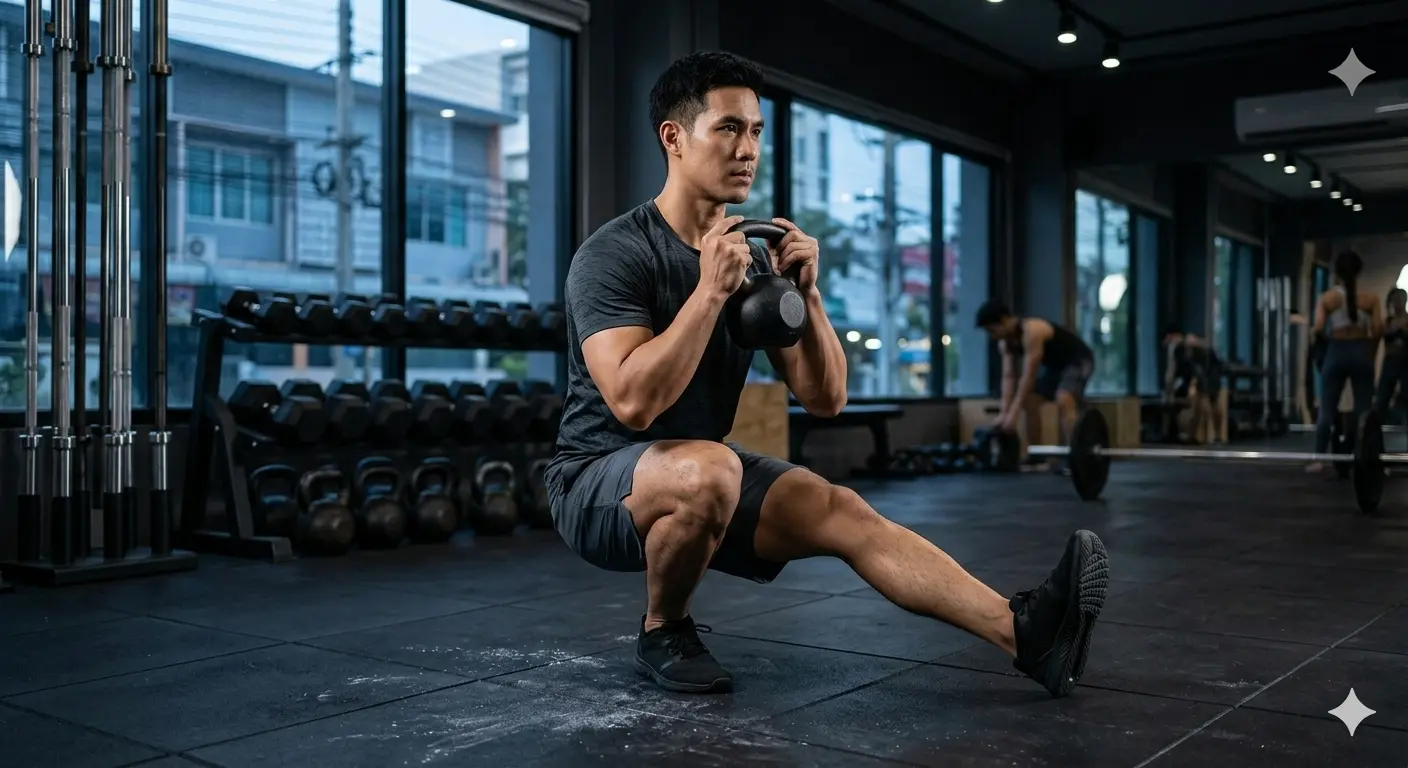
A man performs a weighted pistol squat with a kettlebell, illustrating the use of strength to control a deep, flexible range of movement.

Why Flexibility Without Strength Fails

If you think that improving flexibility simply requires more Yoga classes, stretching routines, and mobility exercises, chances are you are being misled. This is because flexibility without strength often leads to poor movement control, and many people do not fully understand why stretching alone fails to create lasting results.

While stretching can certainly play a role, flexibility does not depend on stretching alone.

In many cases, people stretch regularly but still feel stiff, restricted, or uncomfortable during movement. The reason is that flexibility is not just about muscle length. It is closely linked to strength, joint alignment, and movement control.

Understanding how these systems work together helps explain why stretching alone often fails to restore true mobility. For a deeper understanding of how flexibility works, you can also explore this guide on flexibility.

1. The Myth of Stretching for Flexibility

Stretching is commonly seen as the direct solution to stiffness. When a muscle feels tight, the natural response is to stretch it.

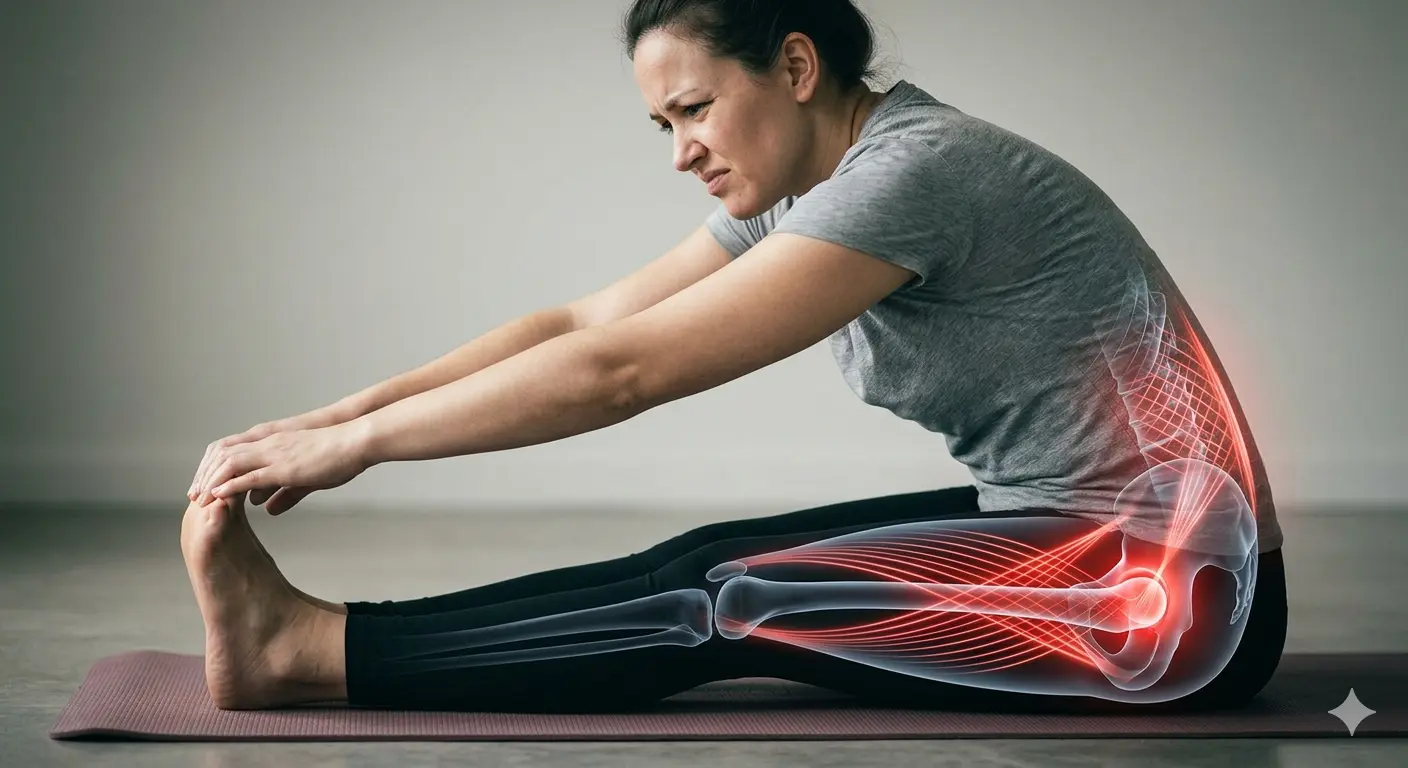
However, tightness is often not caused by a muscle simply being “too short.” In many situations, tightness is the body’s way of protecting a joint that lacks stability or control.

When the nervous system senses that a joint is not well supported, surrounding muscles may increase tension to stabilise the area. This protective tension can create the sensation of stiffness.

Stretching alone may temporarily reduce that tension, but if the underlying stability problem remains, the stiffness often returns quickly.

This is why many people experience a cycle where they stretch regularly but never seem to gain lasting flexibility, highlighting why stretching alone fails to create long-term results.

2. The Rope and Pulley System of Muscles

Muscles and joints function much like a rope and pulley system.

Around every joint, muscles work in opposing pairs. One muscle pulls the joint in one direction, while another pulls it in the opposite direction. These opposing forces allow joints to move smoothly and remain stable during movement.

For example:

  • The muscles at the front of a joint create one movement
  • The muscles at the back create the opposite movement

When both sides of this system are functioning well, the joint moves efficiently and stays properly aligned.

However, when one side becomes weak or poorly coordinated, the opposing muscles often begin to dominate the movement. This disrupts the balance of forces acting on the joint.

Over time, the joint may begin to move slightly out of its optimal alignment leading to friction and damage to soft tissues that intern converts into stiffness.

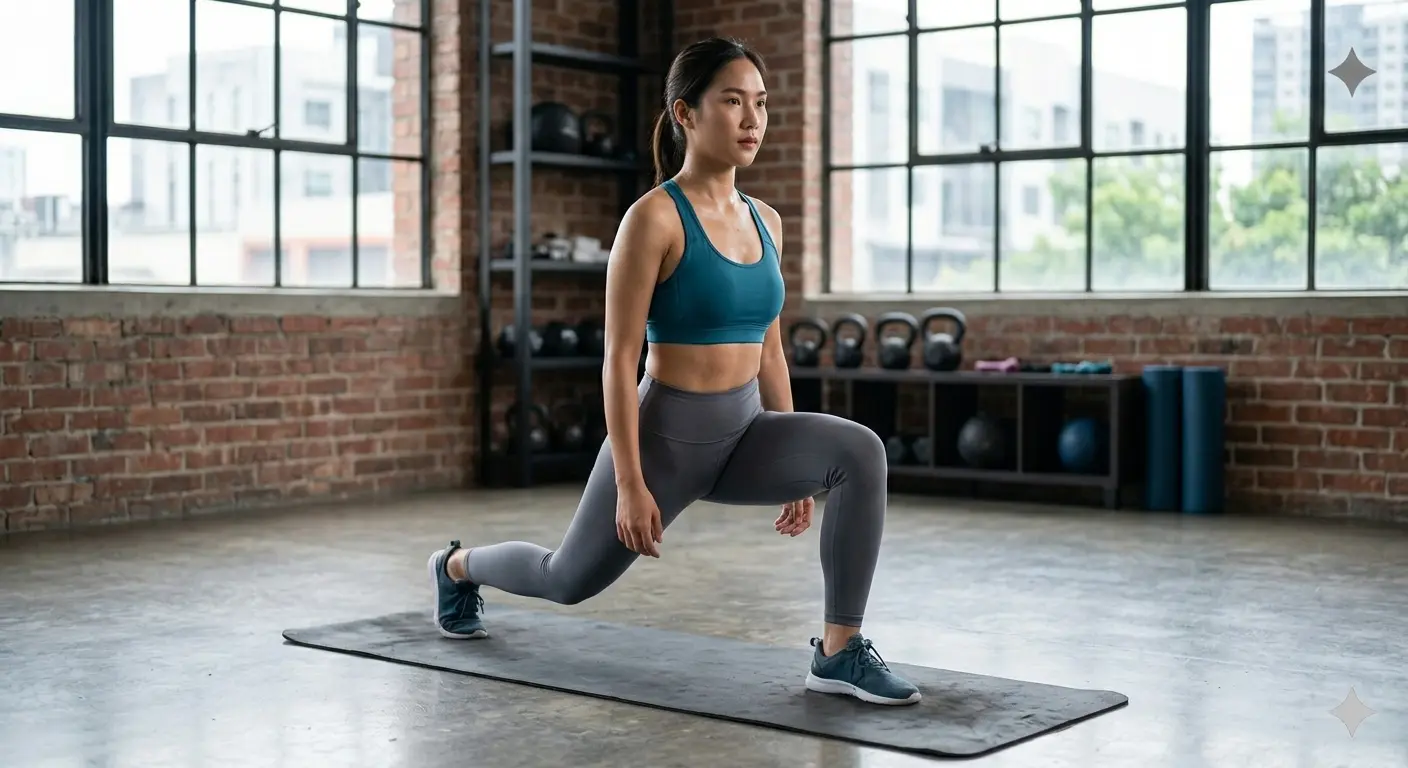
Functional Mobility in Action

3. How Weak Muscles Create Joint Misalignment

When a muscle that should stabilise or move a joint becomes weak, the body adapts.

The opposing muscle may become more dominant in order to continue producing movement. While this compensation allows the joint to move, it changes how forces are distributed around the joint.

This imbalance can gradually lead to altered joint alignment, uneven loading across joint surfaces, increased stress on surrounding tissues

As the imbalance grows, other muscles begin to compensate as well. Some become overactive and tight, while others become inhibited and weak.

The body often responds by shifting into a protective movement pattern that limits motion in order to avoid irritation or instability.

This protective pattern frequently feels like stiffness or loss of flexibility.

4. The Role of Fascia and Protective Tension

Muscles do not function in isolation. They are surrounded by fascia, a connective tissue network that helps transmit force throughout the body.

When muscles remain in protective or imbalanced positions for extended periods, the fascia surrounding them can begin to adapt.

Fascial tissues may become less elastic, more adherent to surrounding structures and restricted in their ability to glide smoothly. These changes further limit the joint’s ability to move freely.

As a result, even when someone stretches the muscles, the surrounding fascial system may continue to restrict motion.

This is why flexibility problems often involve not only muscles but also fascia, joint mechanics, and neuromuscular coordination.

The Mechanism of Protective Tension

5. Why Strength and Movement Control Restore Flexibility

Lasting flexibility usually returns when the body regains strength, alignment, and coordinated movement around the joints.

Systematic movement training can help restore this balance by combining several elements such as:

  • strengthening weak muscles
  • lengthening overactive muscles
  • releasing fascial restrictions
  • improving joint mobility and control

When these elements work together, the body gradually relearns how to distribute forces more efficiently. Structured approaches like Foundation Sessions focus on restoring strength and joint control to support this process.

The joint becomes more stable, compensatory tension reduces, and muscles no longer need to remain in protective positions. As stability improves, the body allows a greater range of motion to occur naturally.

In other words, flexibility often improves not because muscles are forced to stretch, but because the joint system begins to function properly again. For individuals experiencing ongoing discomfort, targeted solutions such as Alignment Reset Sessions can help address the root cause of stiffness and movement limitations.

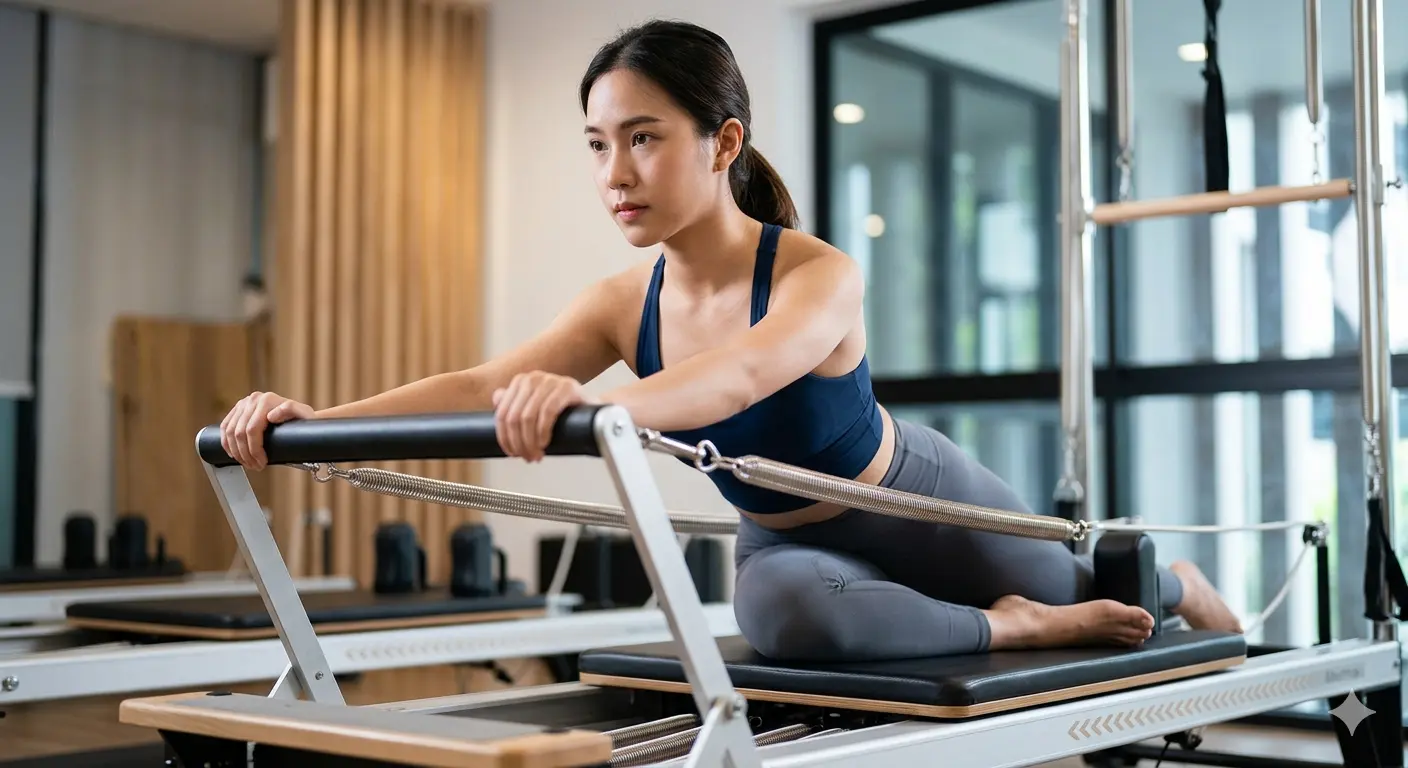
Stability Through Resistance

Final Thoughts

Flexibility is not simply a matter of stretching muscles. It is the result of a well-organised system in which muscles, joints, fascia, and the nervous system work together to control movement.

When strength and coordination are lacking, the body may restrict movement in order to protect itself.

By restoring joint control through structured strengthening, movement training, and appropriate mobility work, the body can gradually regain its natural range of motion.

In short, flexibility improves when movement is trained systematically through strengthening, lengthening, myofascial release, and joint mobilisation working together.

This integrated approach forms the foundation of how movement is trained at Abbysan.

This clearly explains why stretching alone fails and why a structured approach to strength and movement control is essential for long-term flexibility.