
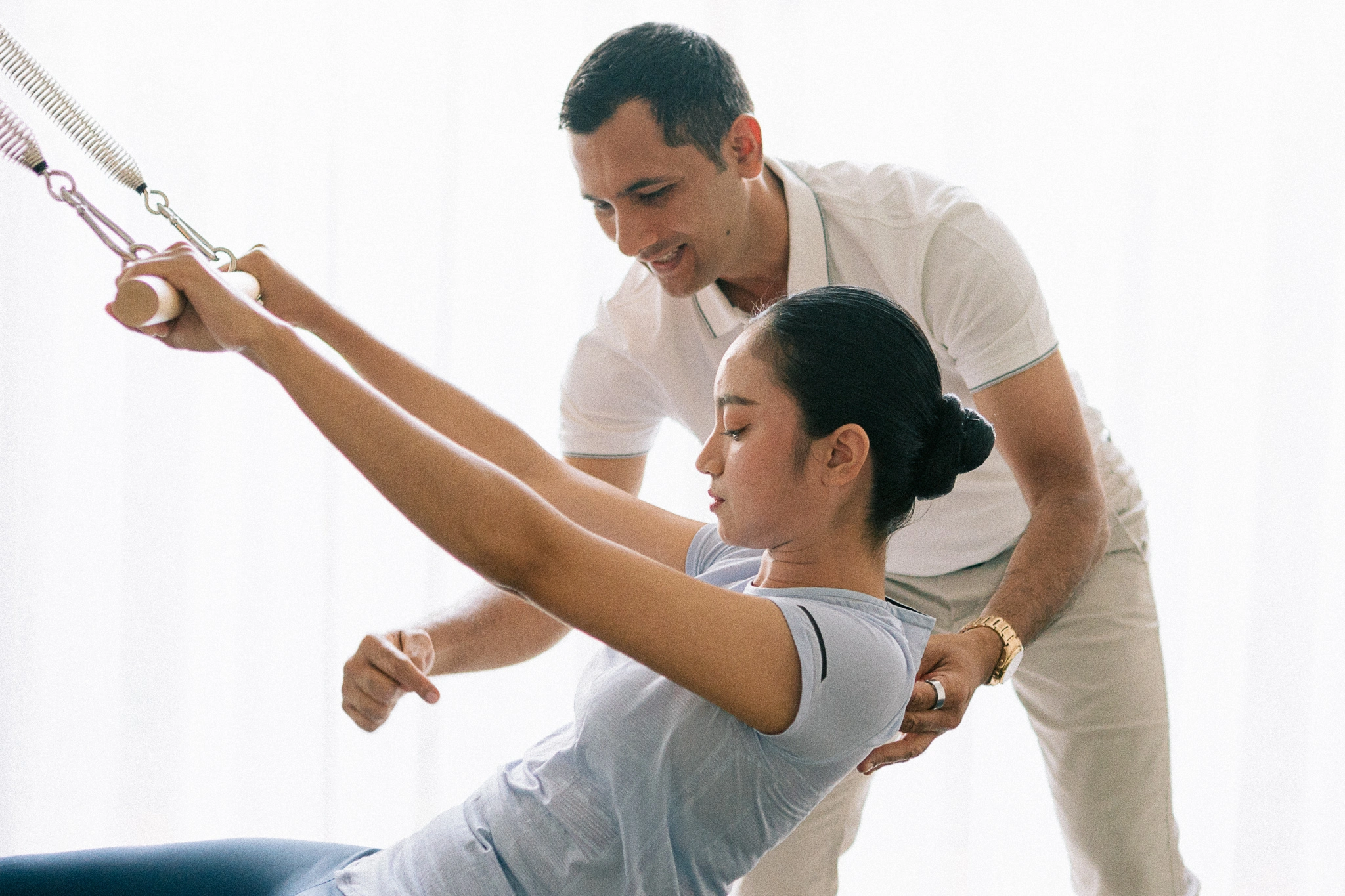
You’ve probably seen the term. Clinical Pilates. It appears on studio websites, physio clinic pages, and instructor bios. But what does it actually mean — and is it meaningfully different from the Pilates you already know?
The short answer is yes. Significantly. Here’s why.
What regular Pilates is — and where it stops
Standard Pilates is a movement system built around a repertoire of exercises designed to build strength, flexibility, and body awareness. It’s taught in group or semi-private settings, typically follows a progression from beginner to advanced, and is excellent for generally healthy people who want to move well and feel better in their bodies.
Most Pilates certifications teach this well. You learn the exercises, the apparatus, the cuing, the progressions. You graduate with a solid toolkit.
What standard Pilates training rarely teaches — and what its methodology wasn’t originally designed to address — is the complex body. The body with chronic pain, structural asymmetry, movement compensation, or a history of injury that hasn’t fully resolved. The body that has been adapting to a problem for years and has built habits around that adaptation.
For this kind of client, a standard exercise-led approach often produces inconsistent results. Not because Pilates doesn’t work, but because the exercise is being chosen before the body has been properly read.
What makes Pilates clinical
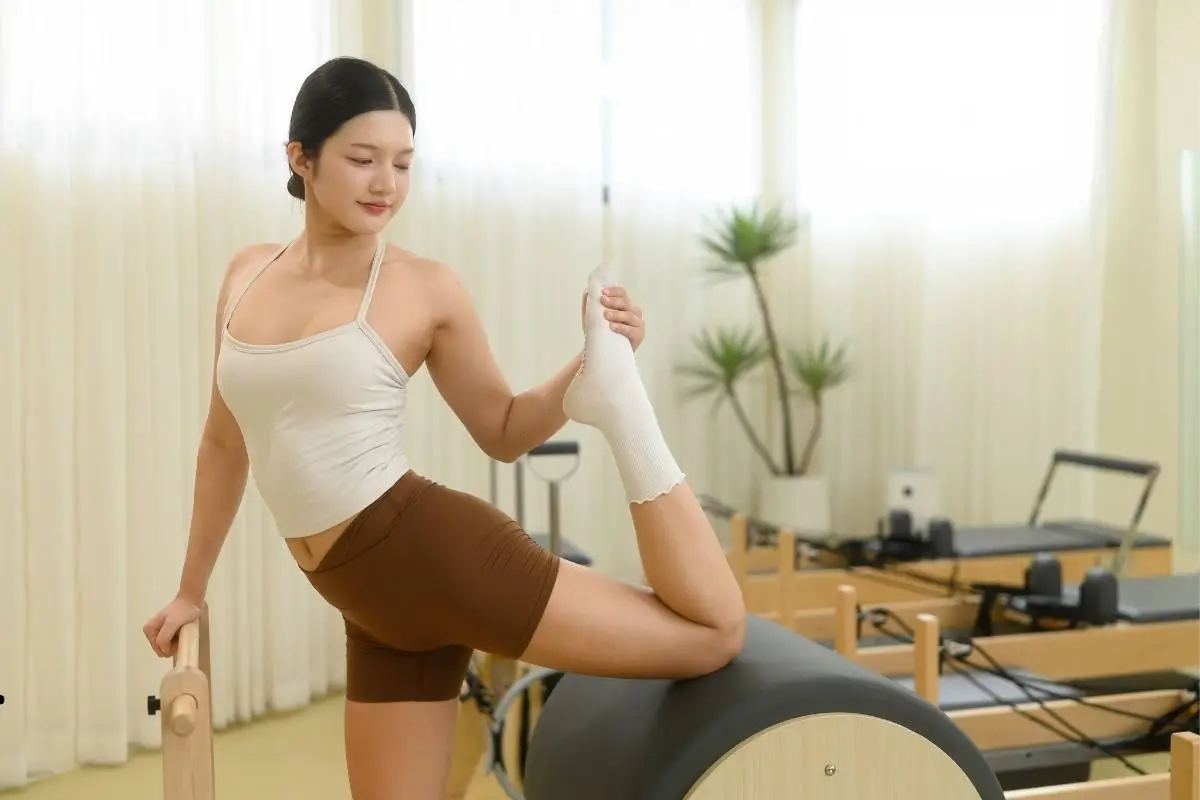
Clinical Pilates starts from a different premise entirely. Before any exercise is chosen, the body is assessed.
That assessment — reading posture, breathing patterns, movement compensations, and load distribution — determines what the body is doing, why it’s doing it, and where the most useful point of intervention is. The exercise comes after. It’s chosen because it addresses something specific, not because it’s the next step in a progression.
This is the core distinction: clinical Pilates is assessment-led. Standard Pilates is typically exercise-led.
Clinical Pilates practitioners are trained to work with bodies that have pain, injury history, postural dysfunction, or movement patterns that standard exercise makes worse before it makes better. They understand that a tight muscle is often a working muscle — and that stretching it without understanding why it’s tight can reinforce the very pattern it’s trying to resolve.
They also understand that pain rarely comes from where it hurts. A client with knee pain may have a hip loading problem. A client with neck tension may have a breathing compensation. The assessment is what connects the symptom to the cause.
Who clinical Pilates is for
Clinical Pilates is not exclusively for injured people. It’s for anyone whose body has a complexity that a standard class isn’t equipped to address.
That includes people with chronic pain who have tried physiotherapy, regular Pilates, or yoga and found that the relief doesn’t last. It includes post-surgical clients returning to movement. It includes people with significant postural imbalances — scoliosis, hyperkyphosis, pelvic asymmetry — that require more than corrective exercise to address. And it includes anyone who has noticed that they make progress in a class, then lose it, then make it again, in a cycle that never quite resolves.
If you want to understand more about how posture and pain connect, or How movement therapy differs from yoga therapy and standard Pilates, those are worth reading before you decide what kind of support your body actually needs.
What a clinical Pilates instructor does differently
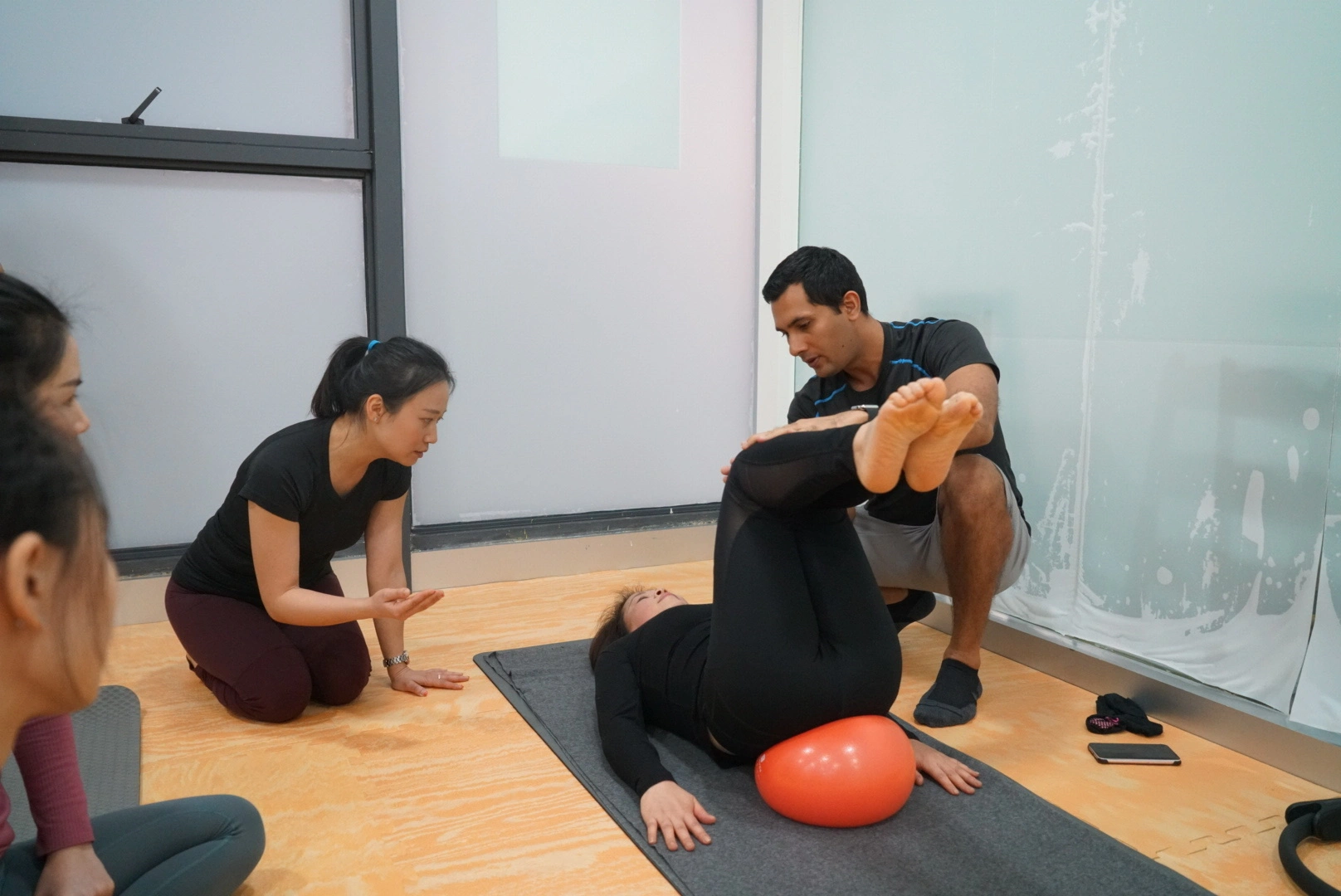
The difference in a session is immediately felt. A clinical Pilates instructor will typically spend the early part of a session — or an entire first session — observing before prescribing. They’ll watch how you breathe, how you stand, how you move before you’re performing for them.
They’ll use that information to make deliberate choices: which apparatus, which plane of movement, how much load, what to avoid entirely. Every decision traces back to what the assessment revealed.
This is different from adapting a standard programme to your needs. It’s building a programme from your body outward.
Learning to teach clinical Pilates
For movement professionals who want to develop this level of practice — to move from exercise-led to assessment-led — clinical Pilates training is where that shift happens.
At Abbysan, the Clinical Pilates Instructor Course is built around exactly this framework. Assessment first. Exercise second. With direct clinical supervision and real client application from day one.
Clinical instructors command significantly higher rates than fitness instructors because they can work with more complex clients and deliver more specialised outcomes. To understand the earning potential and career opportunities available after certification, read our guide on how much a Pilates instructor can earn in Thailand.
If you’re already a practising movement professional and want to develop your clinical reasoning without a full course commitment, the 1:1 mentorship is built for that, too.
Either way, the starting point is the same. Learning to read the body before you decide how to move it.
Clinical Pilates continues to gain global recognition for its assessment-led approach to movement and rehabilitation. Organisations such as the Pilates Method Alliance (PMA) help support professional standards and education quality within the Pilates industry worldwide.
Dr Abhishek Agrawal is a Clinical Movement Specialist based in Phuket, Thailand. He trains Pilates instructors and works with movement professionals, developing clinical practice.
Ready to Take the Next Step?
Book a free discovery call with Dr. Abhishek Agrawal at Abbysan to discuss the course, ask questions about the training format, and find out if the intensive intake schedule works for you.
WhatsApp: +66 625475107
Email: info@abbysan.com