Think of a joint like a cogwheel, meant to turn smoothly through every angle because the fluid and tissue around it move the way oil moves inside a cogwheel. When a cogwheel sits unused for a long stretch, the oil does not simply refill itself the moment the machine switches back on. Someone has to reintroduce motion gradually, checking that each part turns freely before asking the whole system to run at full speed. A postpartum body returning to exercise faces the same situation, and the standard six-week medical clearance rarely accounts for it.
The six-week check confirms that the incision has healed, that bleeding has stopped, and that there are no signs of infection. It is an important and necessary check. It was never designed to assess whether the deep core and pelvic floor can handle the demands of running, jumping, or lifting weights again.
Many women leave that appointment believing they have a green light for a return to full training, then experience leaking, heaviness, or pain within the first few sessions back. They are left confused about what went wrong when they were told everything looked fine.
Healing and Fitness Readiness Are Different
What actually needs checking before a graded return to exercise is whether the deep core and pelvic floor system can manage load without symptoms, not simply whether the surgical or vaginal tissue has physically closed.
These are two different questions, and only one of them is usually addressed during a standard six-week appointment. The cogwheel may look intact from the outside while still catching internally every time it is pushed beyond a certain range.
Australian pelvic floor guidance also recommends considering a postnatal abdominal muscle check and pelvic floor muscle assessment before returning to high-impact exercise, running, sport, or demanding abdominal programs. You can read the guidance from Pelvic Floor First.
Check How Your Body Responds to Low-Level Load
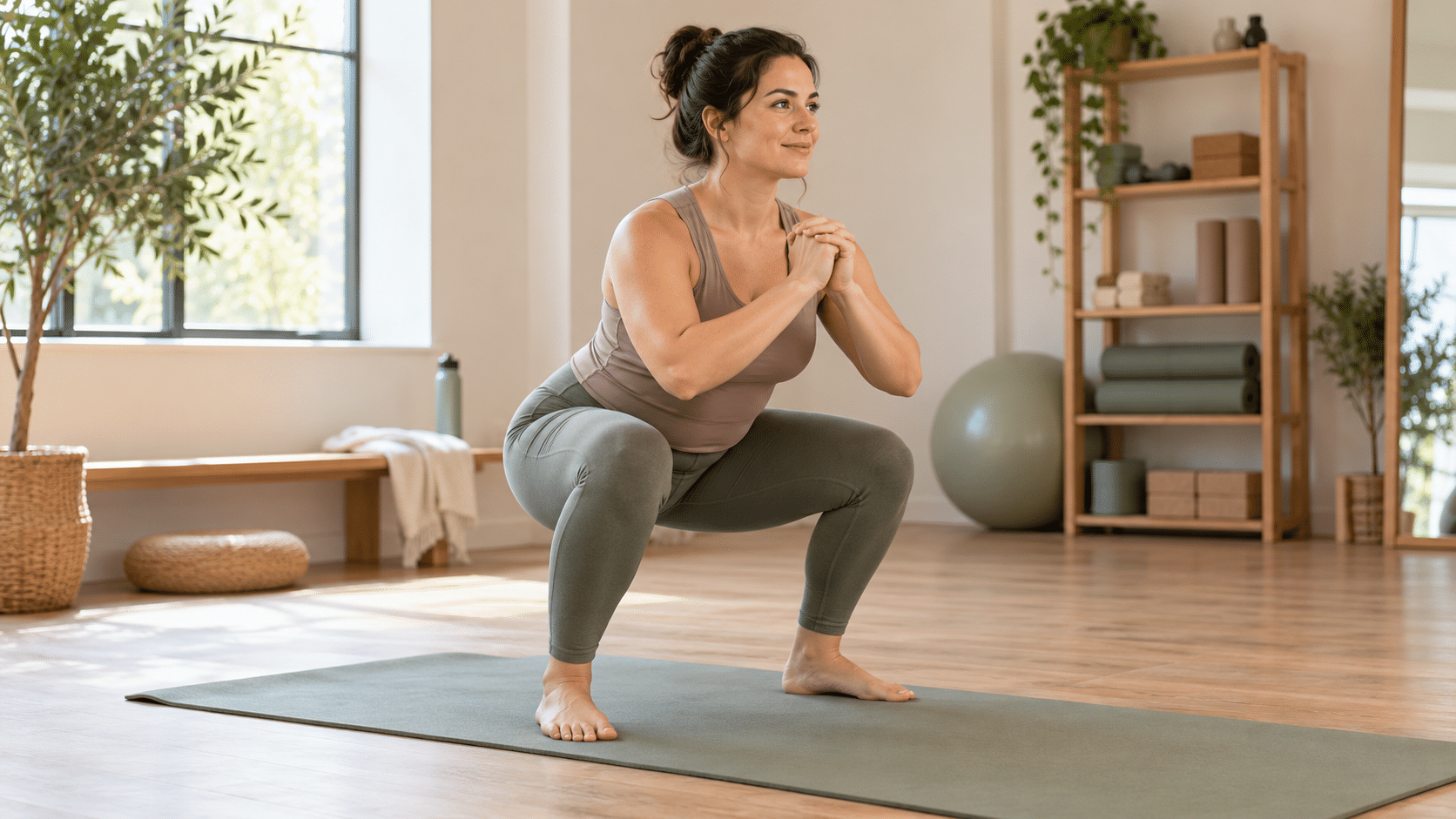
The first area to assess is the body’s response to low-level load. This may include a brisk walk, a light squat, or a gentle jog in place.
Pay attention to whether these movements produce leaking, pelvic heaviness, pain, or a pulling sensation. These symptoms are some of the clearest signals that the deep core and pelvic floor are not yet managing pressure effectively, regardless of how much time has passed since delivery.
Assess Breath and Pressure Coordination
The second area is breath and pressure coordination under gradually increasing intensity. A woman may be able to coordinate her pelvic floor, breath, and deep core perfectly while resting but lose that connection when moving from walking to jogging, jumping, or lifting.
This loss of coordination under pressure is often when symptoms begin to appear during an unsupervised return to running, gym training, or group fitness classes.
The Reconnect Method at Abbysan assesses how the breath, pelvic floor, deep core, and abdominal wall work together before increasing exercise intensity.
Build a Genuinely Graded Progression
The third area is a genuinely graded progression. This means moving from walking to bodyweight strength work and then to impact activities such as running or jumping only when each stage can be completed without symptoms.
Returning to a full pre-pregnancy training program at once simply because six weeks have passed may place demands on the body that its pressure-management system is not yet ready to handle.
A smooth return to exercise after childbirth depends on checking the right things in the right order, not simply waiting out a timeline.
Know What Your Postpartum Body Is Ready For
If walking, lifting, jogging, or returning to the gym causes leaking, heaviness, pain, or a sense that your core is not supporting you, a Foundation Assessment can help identify what is happening before you increase the load.
Denny uses the Reconnect Method to assess how your breath, pelvic floor, deep core, and movement patterns respond under pressure, then creates a graded return-to-exercise plan based on what your body can manage now.